On this page
Student life at Yorkshire Rose College is about more than just academic achievement — it’s about belonging, growing and preparing for your future.
From integrated therapies and wellbeing support to residence life, clubs and having your voice heard, we’ve created an environment where every student can thrive. Here’s what makes life at our college unique.
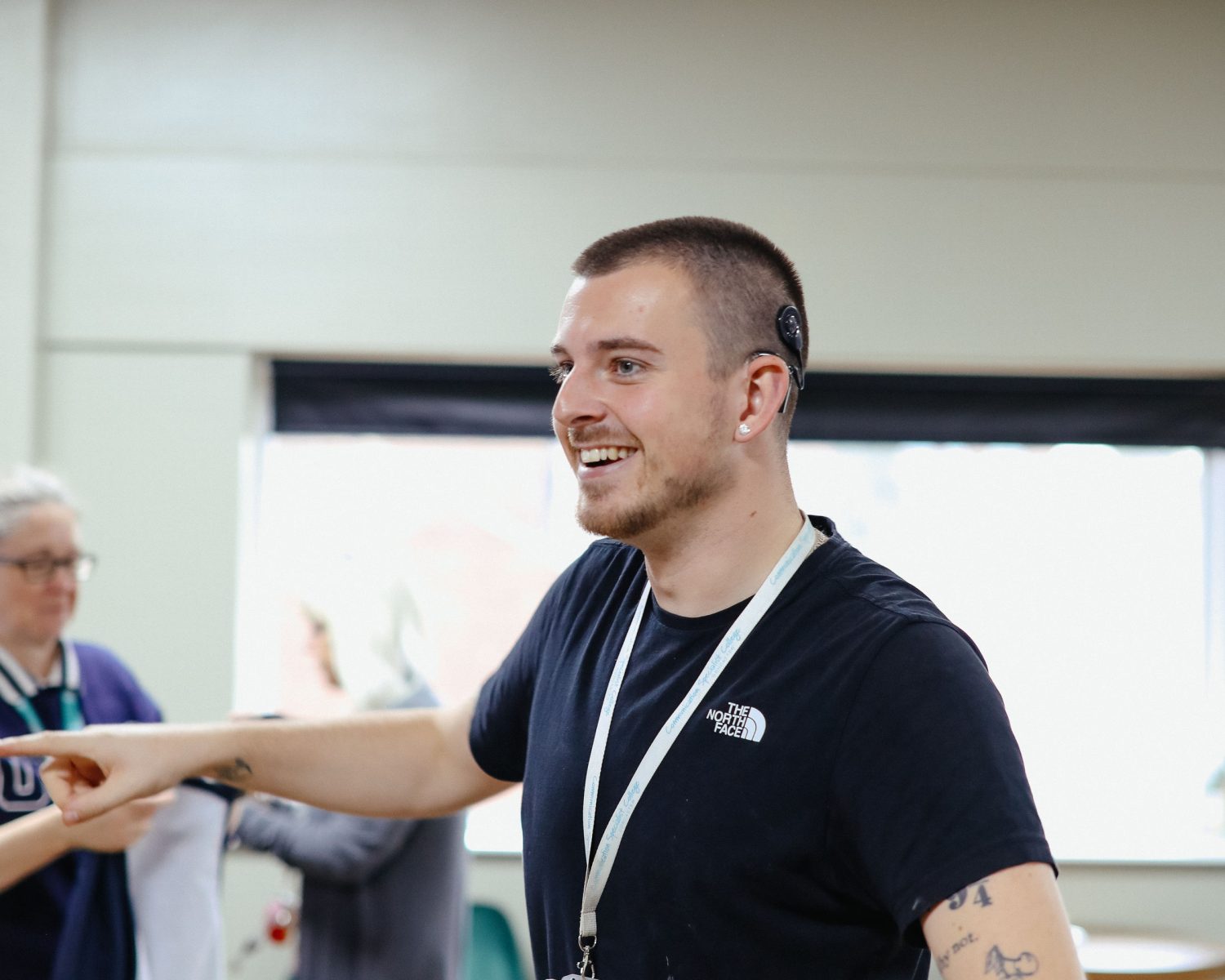
Life at college is about more than study. At Yorkshire Rose College, we offer a wide range of clubs, activities and trips that give every student the chance to make friends, try new things and build lasting memories.
On-campus activities
- Football
- Gym sessions
- Signed song
- Dance classes
- Lunchtime clubs
- Pool competitions
- Craft nights
- Inter-lodge bake-offs
- Gaming club
- Discussion evenings
Clubs & events
- Weekly Youth Club (open to day and residential students)
- Deaf Social Club
- Christmas and Summer Fayres
- Parties and celebrations
- Community competitions
- Graduation ceremony
Trips & outings
Education and residential staff regularly organise trips and activities, including weekend visits to local attractions as well as bigger cultural experiences.
These opportunities are designed to entertain, stimulate and broaden horizons, while helping students build independence and confidence.

For Deaf students up to the age of 18 who need to live on campus, Dickson House offers a safe, supportive and inclusive environment where independence, confidence and friendships can grow.
Dickson House isn’t just somewhere to stay — it’s a place to belong, grow and prepare for life ahead.

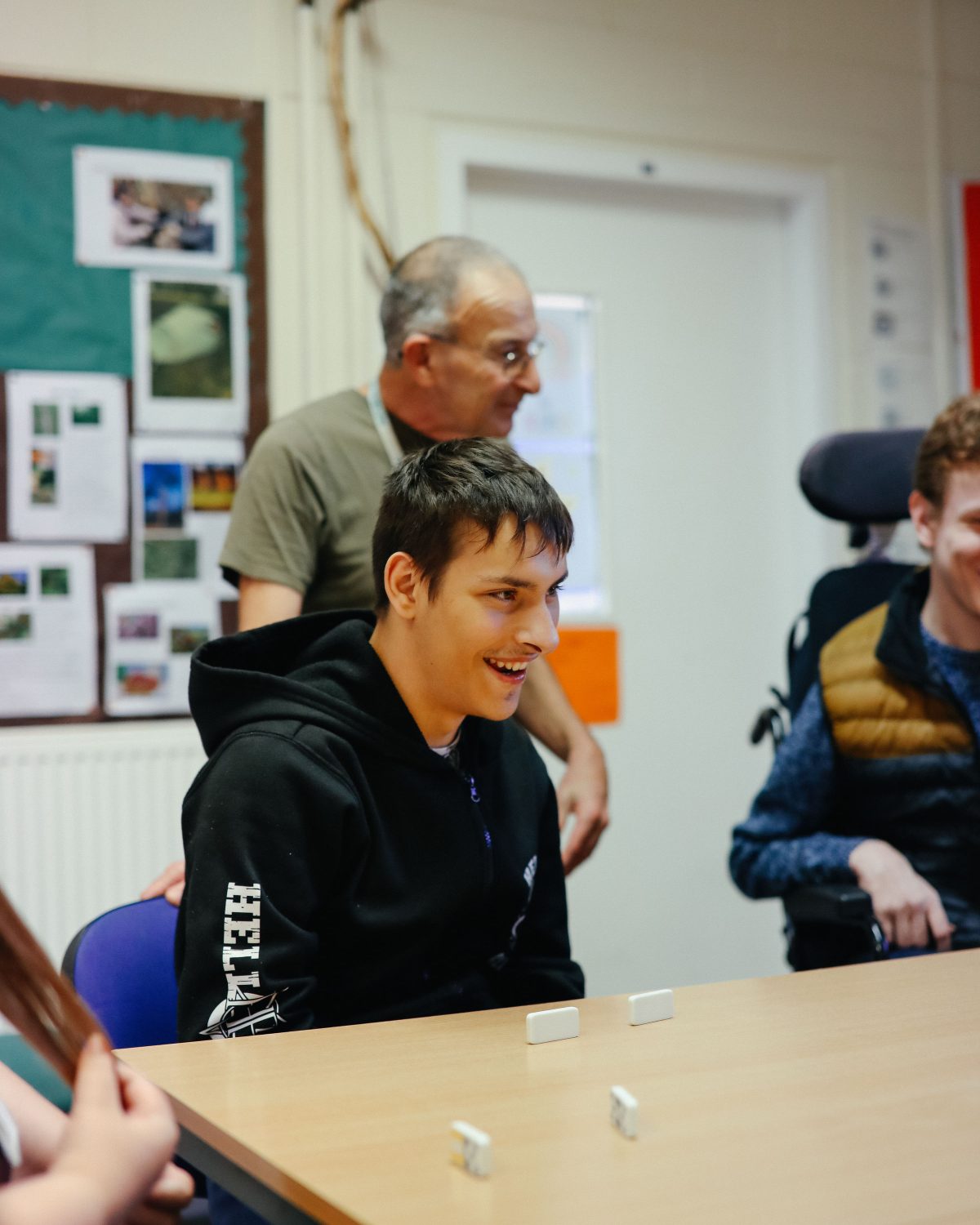
At Yorkshire Rose College, your voice really matters. We’ve embedded a culture of Student Voice across everything we do, giving students the skills, confidence and platform to shape their own development – and the wider college community.
- Student Voice meetings every 6 weeks, chaired by a student-elected Chair and Deputy Chair
- Specialist roles, such as Deaf Awareness Leader or LGBTQIA+ Leader, empower students to represent areas that matter to them
- 15 additional representatives — 5 from each curriculum pathway — are elected or self-nominated each year
- It’s not just meetings: we’re listening to students every day through EHCP reviews, tutorials and 1:1s, careers guidance appointments, surveys and course reviews, and more
Celebrating student impact
“You said, we did” updates are displayed across campus and shared in tutor groups and newsletters, so students can see the positive changes they’ve created.
At Yorkshire Rose College, learning and wellbeing go hand in hand. We know that students thrive when they feel safe, supported and understood — which is why pastoral care and safeguarding are at the heart of everything we do. Our doors are always open, our team is always listening, and every student has someone to turn to.
Pastoral Support
Pastoral care is essential for young people’s wellbeing and personal development. At our college, we cultivate a nurturing, safe environment that encourages growth, confidence and calm.
- Quiet spaces and sensory rooms are available to help students regulate and return to learning ready to succeed.
- Our pastoral team works closely with students, parents and carers, as well as external agencies such as social care and CAMHS, to provide joined-up support.
- Staff across college flag concerns quickly, often before students even realise they need help. This might include a referral to our on-site counsellor or Speech and Language Therapists.
- Students are part of daily tutor groups with familiar staff and peers. These sessions give a structured start to the day, easing anxieties and setting a positive tone.
- Break and lunchtimes are supported by staff in common rooms, the gym, outdoor areas and the learning resource centre — creating safe, social environments where students can relax and build friendships.
We take pastoral care as seriously as academic progress, because we know that when wellbeing is strong, learning follows.
Safeguarding
The safety and welfare of our students is paramount in everything we do. We take a comprehensive approach to safeguarding, designed to protect young people from harm, abuse or neglect, while supporting both their physical and mental health.
- 24-hour curriculum: safeguarding is embedded into daily life at college.
- Regular training: all staff are trained and updated in line with their roles.
- Health and wellbeing: students can access counselling services and other health resources whenever needed.
- Online safety: we prioritise teaching responsible online behaviour, addressing cyberbullying and helping students navigate the digital world safely.
- External collaboration: we work extensively with a wide range of outside agencies to ensure every student’s needs and vulnerabilities are addressed effectively.
Prevent Duty
As part of our safeguarding responsibilities, we also follow the Prevent strategy. This means helping to protect young people from radicalisation and extremist behaviour. Staff are trained to recognise risks, and awareness is built into tutorials and themed sessions so students can talk openly about issues and understand how to stay safe.
Meet the Safeguarding Team
Our safeguarding team is here whenever you need them. Whether you’re a student, parent, carer or professional, please don’t hesitate to get in touch if you have a concern.
Online safety
Keeping young people safe online is one of our top priorities. We work closely with national agencies, including the Child Exploitation and Online Protection (CEOP) Command, to help protect children and young people from harm.
For Children and Young People
CEOP helps anyone under 18 who is being pressured, forced or tricked into taking part in sexual activity of any kind – online or in person. The CEOP Safety Centre offers clear advice on what can be reported, how to report it, and what happens next.If you need help, you can:
- Visit the CEOP Safety Centre →
- Speak to a trusted adult
- Or contact Childline any time on 0800 1111 or visit www.childline.org.uk
For Parents, Carers and Professionals
CEOP also provides guidance for adults supporting young people. You can learn how to recognise and report concerns through the CEOP Safety Centre →.
The service tackles all forms of child sexual exploitation and abuse, both online and offline, and offers tailored advice for parents, carers and educators.
Useful links & documents